
When you first start driving, you’ll come across many types of junctions. Some are easier to understand than others. One that often raises questions early on is: What is a crossroad? This is where two roads meet, giving you a few different ways to go.
Crossroads might seem simple, but there’s more to them than just driving straight ahead. Cars can come from different directions, and each crossroad is a little different. If you learn to notice what’s happening around you and react at the right moment, you’ll become a more confident driver.
What Is a Crossroad? A Clear Overview for Beginners
Crossroads can vary quite a bit depending on where you are and how the road is laid out, so it helps to understand the different situations you might encounter. From basic definitions through to right of way and practical driving tips, each part plays a role in helping you deal with them safely and confidently.
The sections below cover the key points you need to be familiar with:
- What Is a Crossroad in the UK?
- What Is an Unmarked Crossroad?
- Difference Between Crossroads and Junction
- Crossroad Sign Examples
- Who Has Right of Way on a Crossroad?
- How to Approach a Crossroad Safely
- Crossroads at Night: What Changes for Drivers
What Is a Crossroad in the UK?
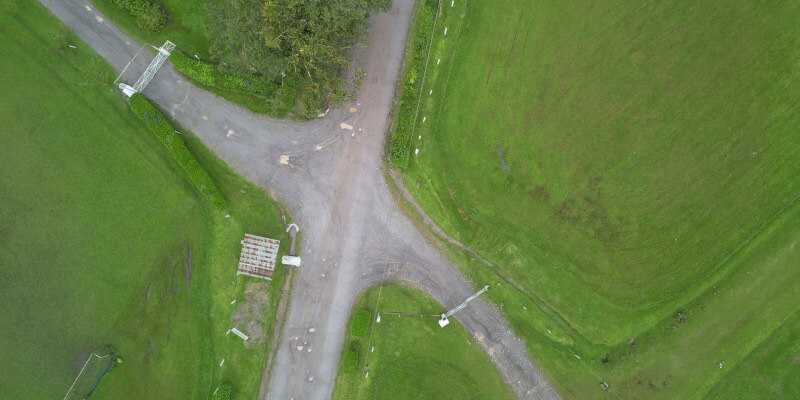
A crossroad in the UK is where two roads meet to create a four-way intersection. This allows traffic to go straight ahead, or turn left or right. Crossroads are common in both quieter neighbourhoods and busy town centres, but they can all feel completely different depending on their design.
Crossroads can be more complex than other junctions because you need to be prepared for traffic to come from every direction. It’s important that you stay alert and check your mirrors and blind spots regularly, especially when cyclists and motorbikes are around, as they can be harder to see.
Sometimes, crossroads are easy to spot because they have signs, road markings, or traffic lights. Other times, they aren’t as obvious, and you’ll need to use your judgement. Knowing how a crossroad is set up helps you notice it sooner, so you can take your time and stay safe.
What Is an Unmarked Crossroad?
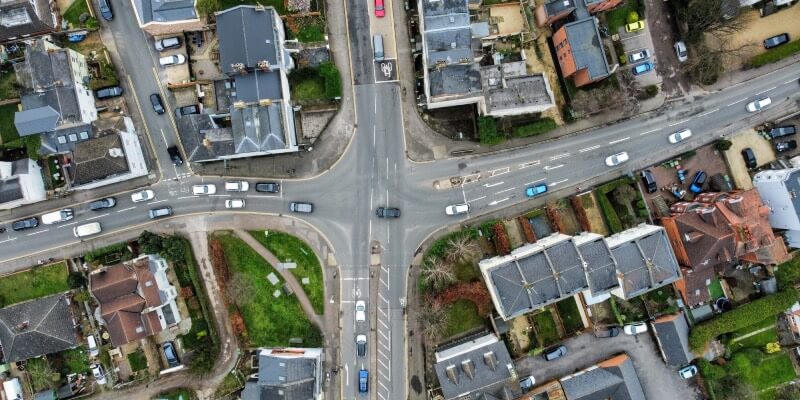
Unmarked crossroads are a four-way junction without traffic lights, road signs, or clear road markings to assist drivers. There are no direct instructions about when to stop or who has the right of way, as you would have at a marked or signposted crossroad. Unmarked crossroads are more likely to be found in rural areas where there isn’t as much traffic passing through.
Since there are no signs or signals, drivers have to use their own judgement at unmarked crossroads. You need to look in all directions, watch what other road users are doing, and decide when it’s safe to go. Sometimes, things like parked cars, buildings, or hedges can make it harder to see, which makes these crossroads even trickier.
Unmarked crossroads can be intimidating, especially if you’re learning to drive, as there are no signals to follow. The most important thing is to be observant, judge your timing, and make safe choices based on what you can see. Ideally, you will want to get plenty of practice with these, so you are familiar with them.
Difference Between Crossroads and Junction
People often use the words “crossroads” and “junctions” as if they mean the same thing, but there is a difference. A junction is any place where roads meet or connect. A crossroad is a type of junction where two roads cross, making a four-way intersection. At our driving school in Luton, we teach this difference early so learners can spot different road layouts and know how to react.
Here’s the main difference:
- Junctions are a general term for any place where roads connect, such as T-junctions, Y-junctions, roundabouts, and crossroads.
- A crossroad is a specific kind of junction where two roads cross, giving you four possible directions to go.
Knowing the difference between junctions and crossroads helps you spot road layouts when you’re driving. All crossroads are junctions, but not every junction is a crossroad. Being able to tell which one you’re coming up to can help you decide how to handle it.
Crossroad Sign Examples
There are different ways to control crossroads, and the signs you see depend on how busy the junction is and where it is. If you spot these signs early, you have more time to react and position your car. When you take driving lessons in Luton, you will learn the most common signs so you can quickly identify the type of crossroad ahead.
The likely signs you can expect to see are:
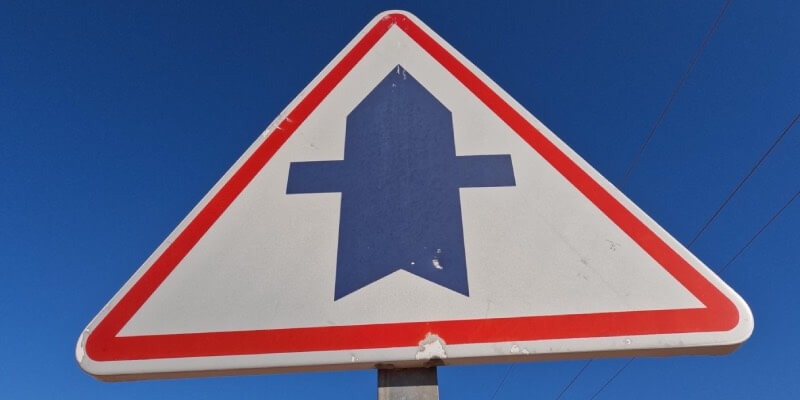
- Crossroad warning sign: A red triangle with a black cross, alerting you to a four-way junction ahead.
- Stop sign: A red octagon that requires you to come to a complete stop before entering the crossroad.
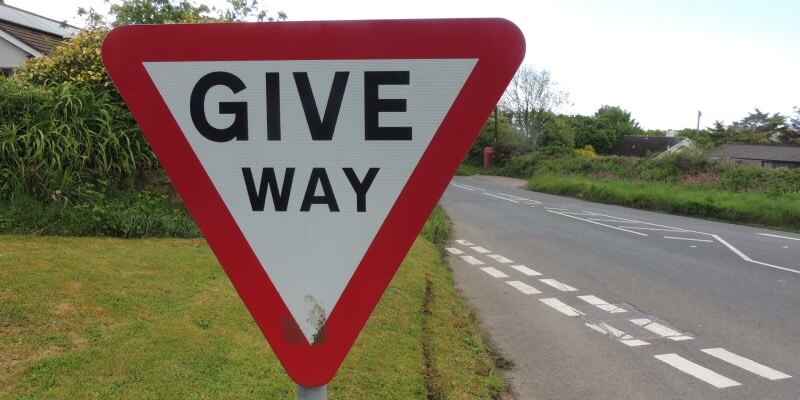
- Give way sign: An upside-down triangle indicating that you must yield to traffic on the other road.
- Traffic lights: Used at busier crossroads to control the flow of vehicles from each direction.
- Box junction markings: Yellow criss-cross lines painted on the road, showing that you must keep the area clear unless your exit is free.
If you know what these signs mean, you can respond calmly and without rushing. This lets you adjust your speed, check your surroundings, and approach the crossroads with confidence.
Who Has Right of Way on a Crossroad?
Figuring out who has the right of way at a crossroad depends on the layout and the signs displayed. Sometimes, signs, road markings, or traffic lights make it clear. These will make things easier, as you won’t have to make as many decisions. Pay attention to them.
At marked crossroads, who goes first is usually determined by stop signs, give-way signs, or traffic lights. If you see a give way line, let traffic on the main road go before you move. A stop sign means you must come to a full stop and check that it’s safe to proceed before continuing. Always follow traffic lights if they are there, as they take priority over other rules.
Unmarked crossroads are trickier because there are no signs to guide you. In these cases, drivers usually give way to traffic coming from the right, but you shouldn’t count on this every time. Always watch what other drivers are doing, since not everyone follows the same rules.
The speed and positioning of other vehicles, as well as the presence of pedestrians or cyclists, can also affect who should go first. Rather than assuming you have priority, you should always approach with caution and only proceed when you’re confident it’s safe.
How to Approach a Crossroad Safely
To approach a crossroad safely, it helps to have a clear routine. This way, you can handle different situations calmly, without feeling rushed. Rather than waiting until the last moment, start planning early by watching the road ahead and adjusting your speed as needed. When you take driving lessons in Luton with us, we practise this often, so it becomes a natural habit.
Here are the main steps to follow when you approach a junction:
- Slow down early so you have enough time to look at the junction and react if needed.
- Check your mirrors to see what’s happening behind you before you slow down or stop.
- Look in every direction—left, right, and straight ahead—to watch for cars, cyclists, and people crossing.
- Carefully judge the gaps and decide if it’s safe to go or if you should wait.
- Make sure you’re in the correct lane for the direction you want to go.
- Use your signals clearly so other drivers know what you plan to do.
If you follow these steps each time, you’ll find it easier to stay in control and avoid making last-minute choices. With practice, these habits will feel natural and help you handle all types of crossroads calmly and confidently.
Crossroads at Night: What Changes for Drivers
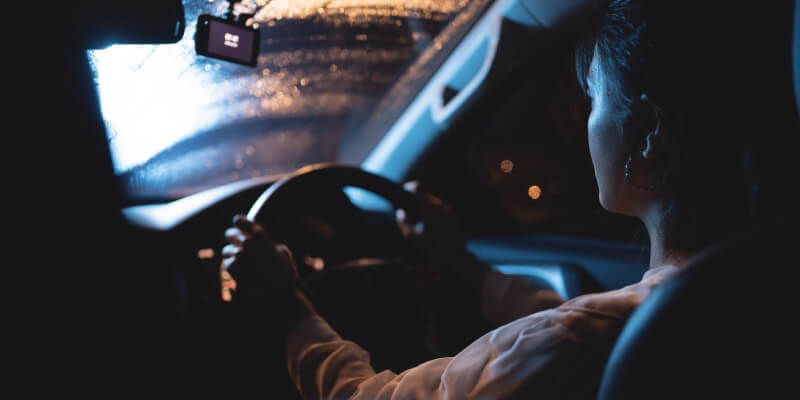
Crossroads often seem different at night because it is harder to see and judge how fast things are moving. Understanding how to stay safe while driving at night is important, as hazards are harder to notice than during the day. Street lights, headlights, and reflections can also change how well you see the road.
Here are some simple tips to remember when you approach a crossroad at night:
- Start slowing down sooner than you would during the day, since it takes longer to react when you cannot see as well.
- Watch for headlights, as they can signal that another vehicle is approaching even before you see the car itself.
- Make sure your headlights are on and aimed properly so you can see clearly without blinding other drivers.
- Be extra careful at crossroads without street lights, especially in rural areas where lighting may be poor or missing.
- Check your mirrors more often, because glare from headlights behind you can make it harder to stay aware of your surroundings.
- Stay alert for pedestrians, as they can be difficult to see, especially when wearing dark clothing.
If you drive more carefully, you lower your risk in less visible conditions. By slowing down, paying close attention, and staying alert, you can feel more confident and safe at crossroads at night.
Bringing It All Together on the Road
Understanding how crossroads work is an important step in becoming a more confident and capable driver. As you gain experience, you’ll find that recognising different layouts, reading the road ahead, and making calm decisions all start to feel more natural over time.
It’s not just about knowing the rules, but about applying them in real situations and adapting to what’s happening around you. With regular practice and the right guidance, even more challenging crossroads can be handled with confidence.
At Drive Luton, the focus is on helping you build these skills in a clear and practical way, so you feel ready for your test and for everyday driving beyond it.