
If you’ve spent time in busier towns or cities, you’ve likely seen a yellow box junction before. They may seem overwhelming at first, especially because traffic can usually move in every direction across them.
The good news is that once you know how they work, yellow box junctions are pretty simple. It mostly comes down to being aware and having good timing. Getting used to them is an important step in becoming a confident driver in the UK.

A Simple Guide to Yellow Box Junctions
As you begin driving on busy city roads, you’ll notice various road markings that might be confusing if you haven’t seen them before. One of the most important is the yellow box junction, which helps keep traffic flowing and stops junctions from getting blocked.
The markings might seem straightforward, but many new drivers find the rules confusing. Understanding when you can enter, stop, or wait in a yellow box can help you navigate city traffic more easily.
Here are the main things you should know about yellow box junctions:
- What Is a Yellow Box Junction?
- Where You’ll Commonly Find Yellow Box Junctions
- Yellow Box Junction Rules
- When Can You Enter a Yellow Box Junction?
- When Can You Wait in a Yellow Box Junction?
- Do All Yellow Box Junctions Have Cameras?
- How Much Is a Yellow Box Junction Fine?

What Is a Yellow Box Junction?
A yellow box junction is a marked area on the road that helps keep traffic moving, especially where roads are busy. You can spot it by the yellow criss-cross lines painted on the road, usually where different traffic flows meet or where traffic jams often happen.
The main purpose of yellow box junctions is to prevent cars from blocking the junction when traffic ahead is slow. This allows vehicles to continue moving through the area without getting stuck in the middle, helping prevent delays.
Simply put, the markings remind you to enter the box only when your way out is clear. This lowers the risk of traffic jams and helps cars move more smoothly, especially during rush hour.
Knowing how these junctions work is important for driving in busy areas. They require good judgement and awareness of other traffic to use them safely and correctly.

Where You’ll Commonly Find Yellow Box Junctions
Yellow box junctions are found in areas that are likely to experience heavy traffic or where junctions are often blocked. You’ll often see them in towns and cities rather than in smaller villages or rural areas. Their purpose is to keep the traffic moving, especially during rush hour.
You’ll often spot yellow box junctions in these places:
- Busy town and city junctions, especially where several roads cross or meet at traffic lights.
- Roundabouts with traffic signals, where extra help is needed to prevent gridlock.
- Main road intersections, mostly on roads where traffic often stops and starts.
- Near railway crossings or busy commuter routes, where delays can build up quickly.
- Outside large commercial areas, like retail parks or shopping districts with lots of traffic.
Learning to spot these junctions early is a key part of driving in busy areas. At our driving school in Luton, our instructors will help you recognise them in time so you can practise approaching safely and with confidence.
Once you know where to look for them, it becomes much easier to judge when it’s safe to enter and how to keep traffic moving smoothly without getting stuck.

Yellow Box Junction Rules
Yellow box junction rules help keep traffic moving and prevent jams at busy intersections. The main idea is simple: only enter the box if you can get through it without stopping.
Here are the main rules to keep in mind:
- Only enter the box when your exit is clear, and there’s enough space for your vehicle on the other side.
- If you’re turning right, you can enter the box and wait, but only if you’re being held up by oncoming traffic or other vehicles waiting to turn.
- Don’t unnecessarily stop in the box. If traffic ahead isn’t moving, hold back and wait before entering.
- Be aware of other road users and avoid positioning your car so it blocks traffic from different directions.
Once you know these rules, dealing with yellow box junctions gets much easier. Just watch the traffic ahead and only move forward when you’re sure you can get through.
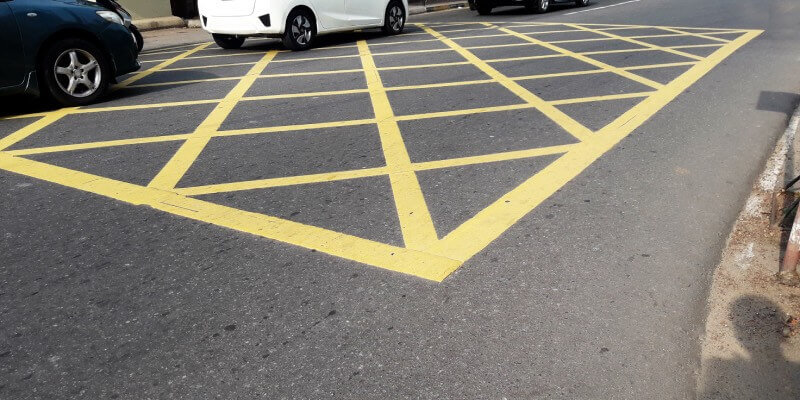
When Can You Enter a Yellow Box Junction?
You can enter a yellow box junction if your exit is clear and you can drive through without stopping. Make sure there is enough space on the other side for your vehicle to fully exit the box before you go in.
When driving normally, check that the traffic ahead is moving so you do not have to stop inside the box. If the way is clear, you can drive through the junction as you usually would.
The rules on giving way to emergency services are clear: do not enter a yellow box junction to make space for them. Only move into the box if it is already safe and clear, and never enter if it would block traffic.
In general, you should only enter the box if you can drive through it without blocking other vehicles.

When Can You Wait in a Yellow Box Junction?
There aren’t any situations where you are encouraged to wait in a yellow box junction; however, it is allowed if you are waiting to turn right. You may wait there as long as your exit is clear and you are not blocking oncoming traffic.
This rule is in place because turning right often means waiting in the middle of the junction for a safe gap. Still, only enter the box when it is safe, and you will not block other vehicles.
Most of the time, you cannot wait in a yellow box junction unless you are turning right. Emergency vehicles do not wait in the box, and other drivers should not enter just to let them through. These rules help keep traffic moving and prevent extra stops at the junction.
Understanding how and when this applies becomes much clearer with practice. Our driving lessons in Luton will give you the opportunity to put these skills into practice, allowing you to build confidence in making the best decisions at yellow box junctions.

Do All Yellow Box Junctions Have Cameras?
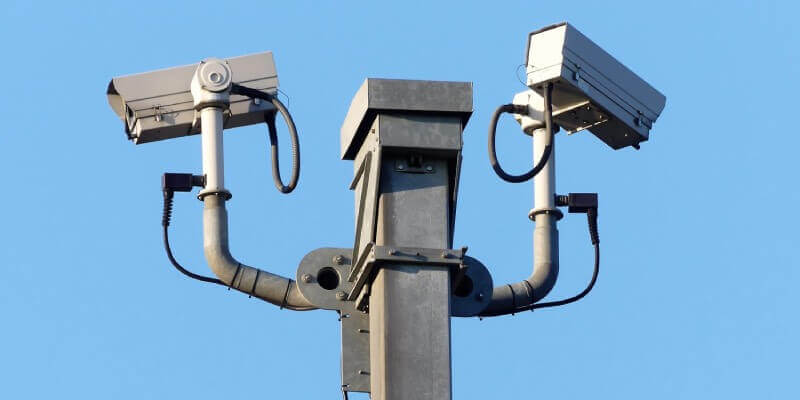
Not every yellow box junction has cameras, but many in busy urban areas are monitored to help enforce the rules. Local councils usually put cameras at junctions where traffic often builds up, which helps stop drivers from entering the box when their exit is blocked.
Keep these points in mind:
- Not every junction is monitored. Some yellow box junctions rely solely on drivers paying attention rather than on camera enforcement.
- Cameras are more common in busy places. High-traffic areas, such as city centres, are more likely to have them installed.
- These cameras are used to spot vehicles that enter and then stop inside the marked box.
- Sometimes, you’ll see signs warning that cameras are in use at certain junctions.
- Learn how to spot traffic light cameras. Being aware of where cameras are typically positioned can help you stay alert when approaching junctions.
Even if there isn’t a camera at a junction, the rules still apply and should always be followed. It’s best to treat every yellow box junction as if it’s being watched, and only enter when it’s safe and clear.
How Much Is a Yellow Box Junction Fine?
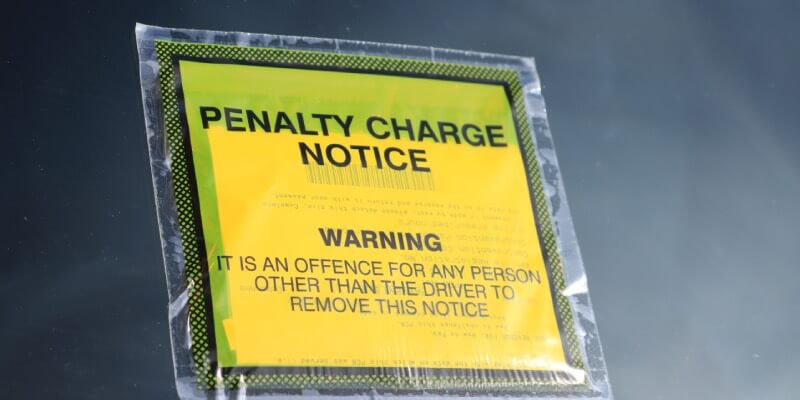
If you stop in a yellow box junction when you are not supposed to, you could get a fine. Usually, the local council issues this as a Penalty Charge Notice (PCN), not as a police fixed penalty. Councils use these fines in towns and cities to help keep traffic moving.
Here is what you can usually expect:
- The standard fine is usually £70, but it goes down to £35 if you pay within 14 days.
- You will get a PCN that explains what happened, where, and when.
- Most of the time, the PCN is sent by post to the vehicle’s registered keeper after the incident.
- There are payment deadlines. If you do not pay within the reduced period, you will have to pay the full amount.
- You can appeal the PCN if you believe it was issued incorrectly.
It’s important to address a PCN quickly, either by paying it within the discount period or by appealing if you have a good reason. The fine might not seem high, but repeated offences can add up, so it’s best to follow the rules and avoid stopping in the box when you don’t need to.
Staying Confident at Yellow Box Junctions
Understanding how yellow box junctions work is an important part of becoming a safe and aware driver, especially in busy towns and cities. Once you recognise their purpose and where they’re typically found, it becomes much easier to approach them with the right level of awareness and judgement.
Learning how to respond correctly in different situations can help you avoid the common mistakes and keep traffic flowing. Knowing when to move forward, when to hold back, and how enforcement works all help you stay on the right side of the rules while driving confidently.
When you take driving lessons in Luton with us, you’ll get practical experience dealing with these types of junctions in real traffic. This helps you build the confidence to handle them naturally, so they become just another part of everyday driving rather than something to worry about.